
Insights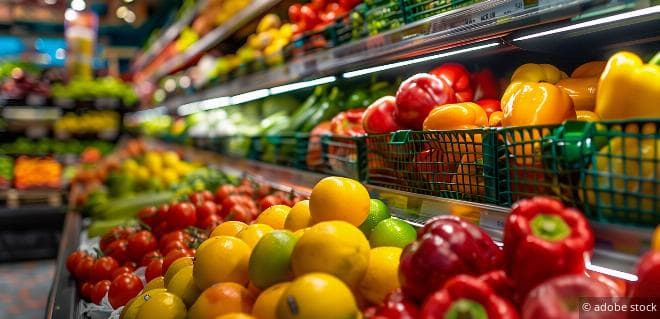
TAX & BUSINESS
VAT reduction on food
The federal government has announced a reduction of VAT on food. From 1 July 2026 the VAT on essential everyday products will be reduced to 4.9%.
VAT (i.e. sales tax) on selected food items in Austria is currently 10%. With the planned measure by the federal government this rate will be reduced to 4.9% from 1 July 2026. In order for the reduction to reach consumers, the food trade must also pass the reduced VAT on to them.
In the Federal Council the government presented the list of food items to which the VAT reduction will apply. This includes, for example, milk, dairy products and eggs, vegetables, fruit, cereals, bakery products and baked goods, as well as table salt. The individual products are defined using the individual combined nomenclature (KN). Meat and sausages are not on the list.
Challenge for businesses
For consumers the VAT reduction on everyday food can provide relief. At the same time the measure also presents a challenge for businesses. On the one hand, the new tax rate must be implemented in the cash register no later than 1 July 2026. Furthermore, the inventory management system and the accounting must be adjusted. The changes can also affect pricing calculations and price labelling. We therefore recommend early planning and coordination of the necessary adjustments.
The measure is to be fully offset, for example by a joint plastic levy for non‑recyclable plastic or a joint parcel levy for third‑country parcels.
In the Federal Council the government presented the list of food items to which the VAT reduction will apply. This includes, for example, milk, dairy products and eggs, vegetables, fruit, cereals, bakery products and baked goods, as well as table salt. The individual products are defined using the individual combined nomenclature (KN). Meat and sausages are not on the list.
Challenge for businesses
For consumers the VAT reduction on everyday food can provide relief. At the same time the measure also presents a challenge for businesses. On the one hand, the new tax rate must be implemented in the cash register no later than 1 July 2026. Furthermore, the inventory management system and the accounting must be adjusted. The changes can also affect pricing calculations and price labelling. We therefore recommend early planning and coordination of the necessary adjustments.
The measure is to be fully offset, for example by a joint plastic levy for non‑recyclable plastic or a joint parcel levy for third‑country parcels.